
How to Choose the Right Activewear Fabric on Myntra
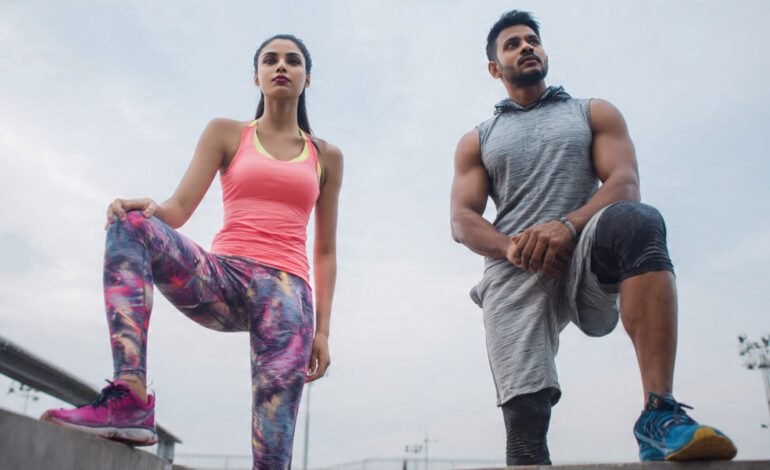

Finding the perfect workout outfit isn’t just about style—it’s about performance. The fabric you choose can make or break your training session, affecting everything from comfort to durability. Whether you’re lifting weights, running marathons, or flowing through yoga poses, understanding activewear fabrics helps you make smarter shopping decisions on Myntra.
This guide breaks down the most popular activewear materials, their unique properties, and which workouts they suit best. By the end, you’ll know exactly what to look for when browsing Myntra’s extensive activewear collection.
Why Fabric Matters in Activewear
The right fabric transforms your workout experience. Here’s what makes it so important:
Sweat absorption: During intense workouts, your body temperature rises and you perspire. Fabrics that wick moisture away from your skin keep you dry and comfortable. Poor moisture management leads to chafing, discomfort, and even skin irritation during extended training sessions.
Breathability: Your skin needs to breathe during exercise. Breathable fabrics allow air circulation, preventing overheating and helping regulate body temperature. This becomes especially critical during cardio-heavy workouts or hot summer training sessions.
Stretch: Movement is everything in fitness. Fabrics with proper stretch allow full range of motion without restriction. Squats, lunges, overhead presses—your clothing should move with you, not against you. Four-way stretch fabrics expand both horizontally and vertically, offering maximum flexibility for dynamic movements.
When shopping for best gym wear on Myntra, these three factors should guide your decisions. Similarly, if you’re investing in best running gear on Myntra, prioritizing breathability and moisture-wicking properties will enhance your performance significantly.
Common Activewear Fabrics
Understanding different fabric types helps you match your gear to your workout style. Here are the most popular options available on Myntra:
Polyester & Dry-Fit
Polyester dominates the activewear market for good reason. This synthetic fabric excels at moisture management, pulling sweat away from your body and allowing it to evaporate quickly on the fabric’s surface.
Dry-fit technology takes polyester to the next level. Originally developed by athletic brands, dry-fit fabrics feature specially engineered fibers that enhance moisture-wicking capabilities. The material feels lightweight against your skin and dries remarkably fast—even during the most intense workouts.
Polyester resists shrinking and wrinkling, maintaining its shape wash after wash. It’s also more affordable than many other performance fabrics, making it an excellent choice for building a versatile activewear wardrobe. The material works well for high-intensity training, running, and general gym sessions.
Spandex / Elastane
Spandex (also called elastane or Lycra) brings exceptional stretch to activewear. This synthetic fiber can stretch up to 500% of its original length and still snap back to its original shape. You’ll rarely find 100% spandex garments—instead, manufacturers blend it with other fabrics to add flexibility.
Typical blends include 80-90% polyester or nylon with 10-20% spandex. This combination creates garments that move with your body while maintaining their structure. Leggings, sports bras, and compression gear rely heavily on spandex for their form-fitting properties.
The fabric hugs your body without feeling restrictive. It provides muscle support during workouts and allows complete freedom of movement. Spandex blends also offer excellent shape retention, meaning your leggings won’t sag or lose their compression over time.
Cotton Blends
Pure cotton feels soft and comfortable, but it absorbs moisture rather than wicking it away. That’s why modern activewear uses cotton blends—combining cotton’s natural comfort with synthetic fibers’ performance properties.
A typical blend might include 60% cotton and 40% polyester. This mixture offers the best of both worlds: cotton’s softness against your skin and polyester’s moisture management. Cotton blends work well for low-intensity activities like walking, stretching, or casual gym sessions.
However, cotton blends have limitations. They dry slower than synthetic fabrics and can feel heavy when saturated with sweat. For high-intensity workouts or long training sessions, pure synthetic fabrics often perform better.
Compression Fabric
Compression garments use tight-knit fabrics that apply gentle pressure to your muscles. These fabrics typically combine nylon or polyester with a high percentage of spandex—often 20-30%—for maximum stretch and recovery.
The compression effect may improve blood circulation and reduce muscle vibration during exercise. Many athletes wear compression gear to minimize fatigue and support muscles during intense training. The snug fit also reduces friction and chafing.
Compression fabric comes in different grades, from light compression for everyday wear to medical-grade compression for recovery. When shopping on Myntra, check the compression level to ensure it matches your needs.
Fabric Comparison Table
| Fabric | Breathability | Stretch | Best For |
|---|---|---|---|
| Polyester/Dry-Fit | Excellent | Moderate | High-intensity training, running, general gym |
| Spandex Blends | Good | Excellent | Yoga, stretching, exercises requiring flexibility |
| Cotton Blends | Moderate | Limited | Low-intensity workouts, casual wear |
| Compression Fabric | Good | Excellent | Muscle support, recovery, intense training |
Fabric Guide for Different Workouts
Different activities demand different fabric properties. Here’s how to match your gear to your training:
Gym
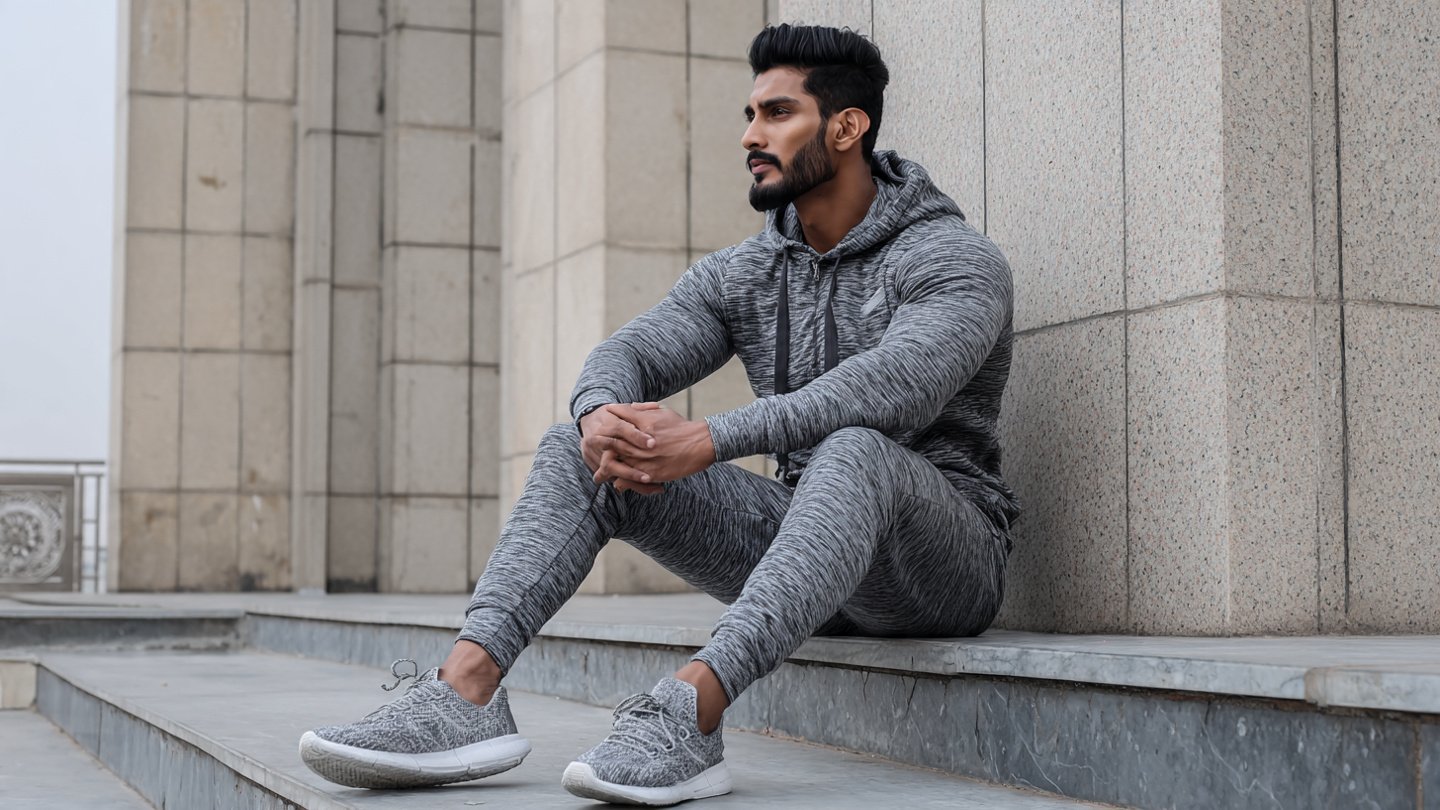
Weight training and circuit workouts generate significant heat and sweat. Choose moisture-wicking fabrics like polyester or dry-fit that pull perspiration away from your skin. Look for moderate stretch that allows full range of motion during squats, deadlifts, and overhead movements.
Four-way stretch fabrics work particularly well for compound exercises. Your clothing should never restrict your movement—if you can’t achieve full depth on a squat because your shorts are too tight, you need better fabric.
For more detailed recommendations, explore the best gym wear on Myntra to find options designed specifically for strength training and high-intensity workouts.
Running
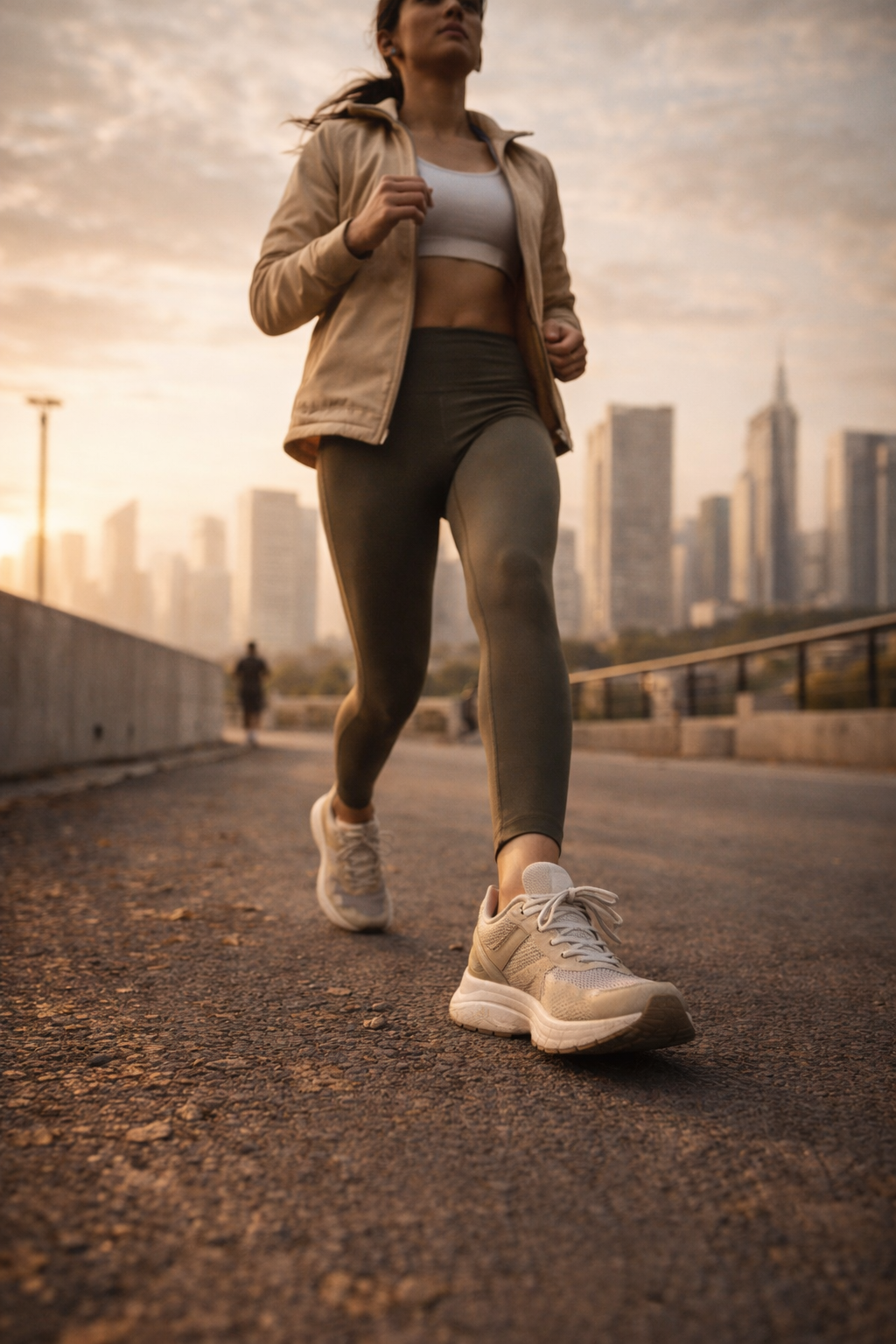
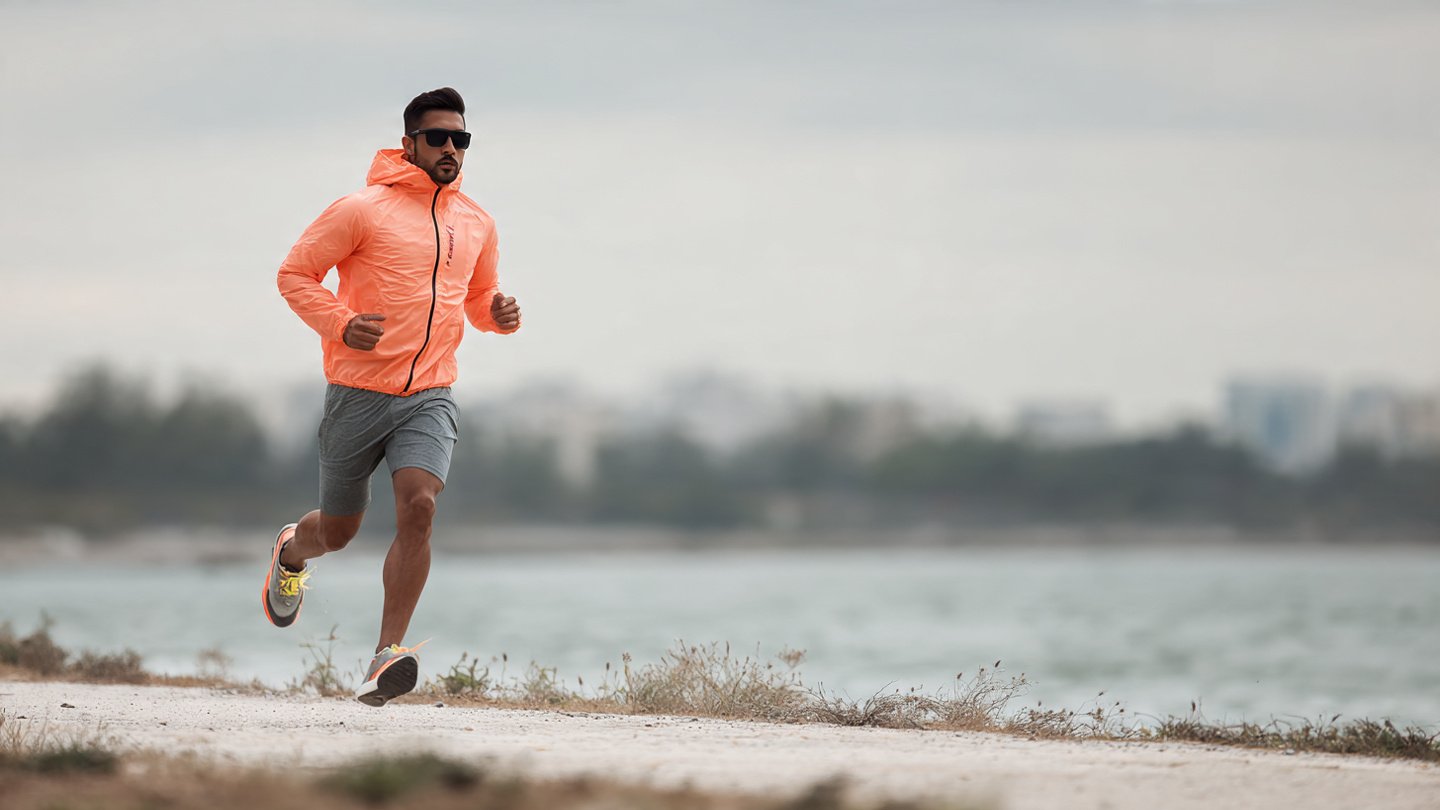
Runners need maximum breathability and lightweight materials. Polyester and nylon fabrics work exceptionally well, offering minimal weight while managing moisture effectively. Look for mesh panels in high-sweat areas like the back and underarms.
Chafing becomes a real concern during long runs. Flat seams and smooth fabrics reduce friction points. Some runners prefer compression shorts or tights for added muscle support during extended distances.
Reflective elements matter for early morning or evening runs. Many activewear pieces on Myntra include reflective strips or logos for visibility. Check out the best running gear on Myntra for options that combine performance fabrics with safety features.
Yoga
Yoga demands fabrics that move with you through every pose. Four-way stretch is non-negotiable—you need complete flexibility for deep stretches, inversions, and balance poses. Spandex blends excel here, offering both stretch and shape retention.
Yoga clothing should fit close to your body without being restrictive. During downward dog or forward folds, loose clothing rides up and becomes distracting. Well-fitted activewear stays in place through every vinyasa flow.
Moisture-wicking properties matter in hot yoga classes. While traditional yoga may not generate as much sweat as cardio, heated studios require fabrics that handle moisture effectively. Browse best yoga wear on Myntra to find pieces that balance stretch, support, and breathability.
Seasonal Fabric Selection
Temperature affects your fabric choices significantly. Adapting your activewear to the season improves comfort and performance.
Summer workouts demand maximum breathability and moisture management. Lightweight polyester and mesh fabrics keep you cool when temperatures soar. Look for garments with strategic ventilation—mesh panels or perforations in high-heat areas enhance airflow.
Light colors reflect sunlight better than dark shades, helping regulate body temperature during outdoor workouts. If you’re training outside, consider UPF-rated fabrics that offer sun protection. Explore the best summer fashion on Myntra for season-appropriate activewear options.
Winter training requires layering and insulation. Base layers should still wick moisture—even in cold weather, you’ll sweat during intense workouts. Look for polyester or merino wool blends that manage moisture while providing warmth.
Outer layers might include fleece or thermal fabrics that trap heat. However, avoid cotton in winter—when it gets wet from sweat, it loses insulating properties and can make you feel colder. Check out the best winter fashion on Myntra for cold-weather workout gear that balances warmth with performance.
FAQs
Is cotton good for gym?
Pure cotton isn’t ideal for gym workouts. While comfortable, it absorbs and holds moisture rather than wicking it away. This leads to heavy, damp clothing during intense sessions. Cotton blends (mixed with polyester) offer better performance while maintaining some of cotton’s natural softness. For high-intensity training, choose synthetic fabrics like polyester or dry-fit materials instead.
What is dry-fit material?
Dry-fit is a moisture-wicking fabric technology that pulls sweat away from your body to the garment’s outer surface, where it evaporates quickly. Built using specially designed polyester fibers, dry-fit material keeps you dry and comfortable during workouts. The fabric feels lightweight, dries fast, and resists wrinkles. Many athletic brands use their own versions of this technology under different names.
Which fabric lasts longer?
Polyester and nylon typically outlast cotton and cotton blends. These synthetic fabrics resist shrinking, fading, and losing shape over time. They handle frequent washing better and maintain their moisture-wicking properties longer. However, fabric longevity also depends on care—following washing instructions, avoiding high heat, and air drying when possible extends the life of any activewear. Quality compression fabrics with higher spandex content also demonstrate excellent durability when properly maintained.
Make Every Workout Count with the Right Fabric
Your activewear fabric directly impacts workout quality, comfort, and performance. Understanding the differences between polyester, spandex blends, cotton mixes, and compression materials empowers you to make informed choices on Myntra.
Match your fabric to your activity—moisture-wicking synthetics for intense training, four-way stretch for yoga, and breathable materials for running. Consider seasonal needs and don’t compromise on quality. Well-chosen activewear performs better, lasts longer, and makes every training session more enjoyable.
Start building your performance wardrobe today. Browse Myntra’s extensive activewear collection with confidence, knowing exactly which fabrics will support your fitness goals.