
Best Running Gear on Myntra
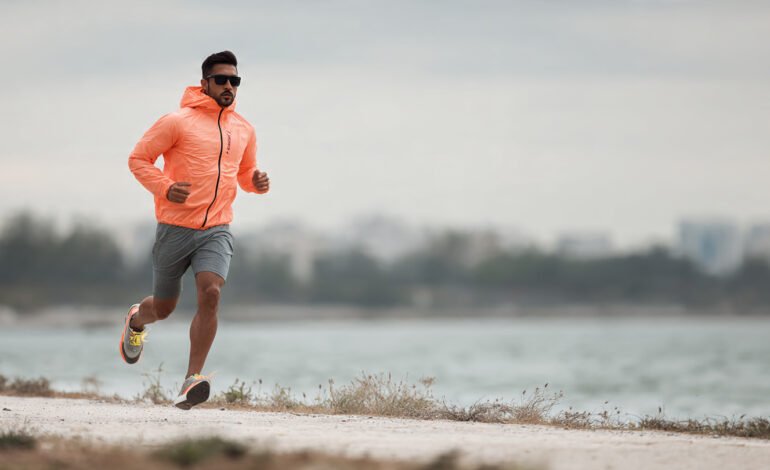

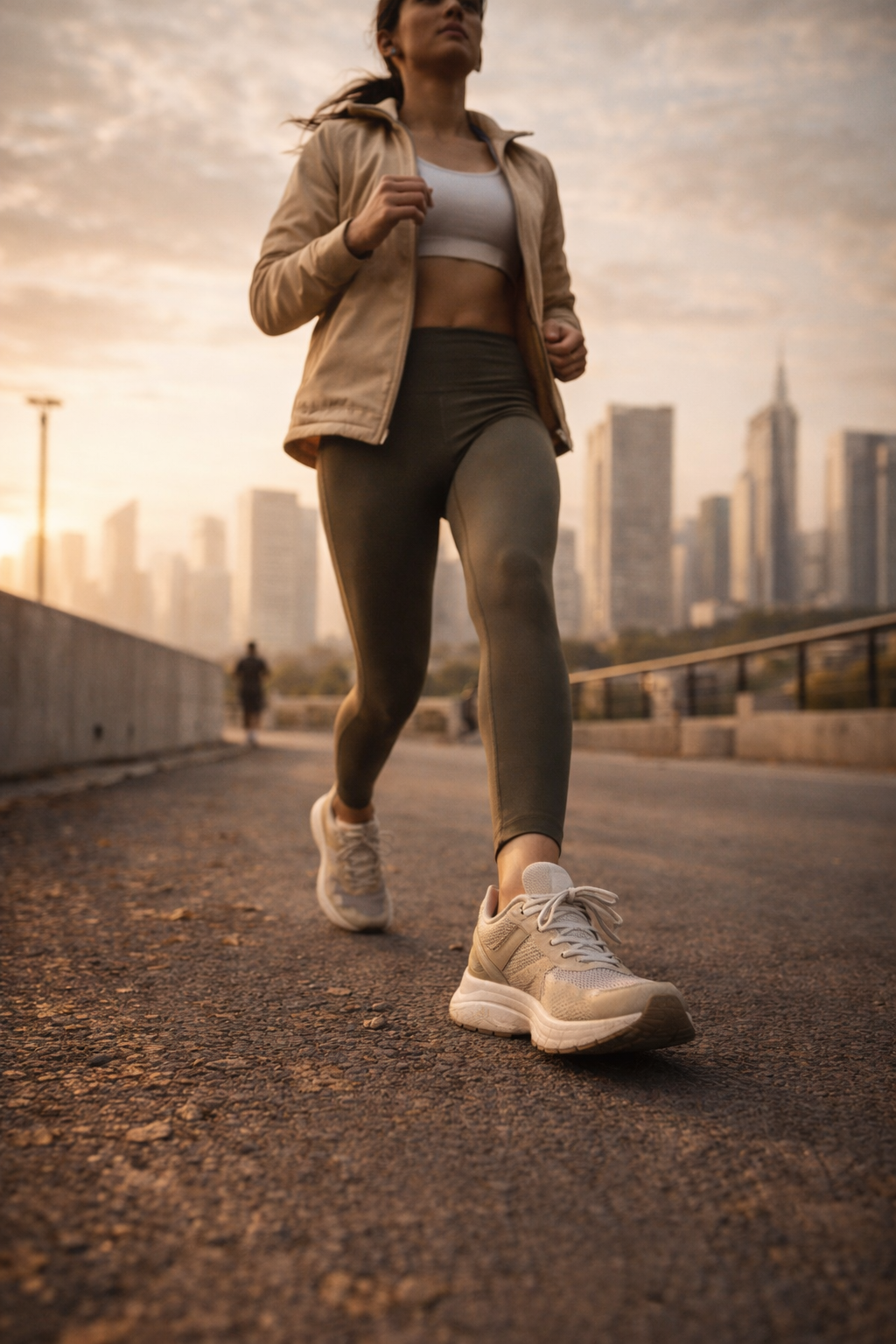
Running is one of the simplest ways to stay fit, but the right gear can make all the difference. Whether you’re training for a marathon or simply enjoy morning jogs, having quality running equipment helps you perform better and stay comfortable.
Myntra offers an extensive range of running gear, from moisture-wicking apparel to performance shoes. With so many options available, it can be overwhelming to choose what’s best for your needs. This guide breaks down the essential running gear you’ll find on Myntra, helping you make informed decisions that suit your running style and budget.
From clothing that keeps you cool during summer runs to accessories that track your progress, we’ll cover everything you need to build a complete running wardrobe. Let’s explore the gear that will keep you moving comfortably, mile after mile.
Why Proper Running Gear Matters
Investing in quality running gear isn’t just about looking good—it directly impacts your running experience and long-term health.
Injury prevention is one of the most important reasons to choose proper running equipment. Shoes with adequate cushioning and support reduce stress on your joints, while well-fitted clothing prevents chafing and blisters. Studies show that runners wearing appropriate footwear experience fewer knee and ankle injuries compared to those who don’t.
Comfort during long runs becomes crucial as your distance increases. Fabrics that wick away sweat keep your skin dry, while seamless construction minimizes irritation. When you’re comfortable, you can focus on your pace and form rather than adjusting uncomfortable clothing.
Performance boost comes naturally when you’re equipped with gear designed for running. Lightweight materials don’t weigh you down, compression wear improves blood flow, and breathable fabrics help regulate body temperature. These small advantages add up, helping you run faster and longer.
Myntra’s activewear & athleisure section features brands that understand these needs, offering gear engineered specifically for runners at various price points.
Essential Running Clothing
The foundation of any runner’s wardrobe starts with clothing that moves with you and handles sweat effectively.
Running T-Shirts
A good running t-shirt should feel like a second skin. Look for moisture-wicking fabrics like polyester blends or drifit technology that pull sweat away from your body. Cotton might feel comfortable initially, but it retains moisture and becomes heavy during longer runs.
Key features to consider:
- Breathable mesh panels in high-heat areas
- Flat seams to prevent chafing
- Reflective details for early morning or evening runs
- Antimicrobial treatment to reduce odor
Brands like Nike, Adidas, Puma, and Decathlon offer excellent options on Myntra. For more comprehensive guidance on athletic clothing, check out our guide to the best gym wear on Myntra.
Running Shorts & Leggings
Your choice between shorts and leggings often depends on weather, distance, and personal preference. Running shorts typically feature built-in briefs and come in various inseam lengths. Shorter inseams (3-5 inches) offer maximum freedom of movement, while longer ones (7-9 inches) provide more coverage.
Running leggings or tights work well for cooler weather and longer distances. Look for:
- High waistbands that stay in place
- Hidden pockets for keys or cards
- Compression zones for muscle support
- Ankle zippers for easy removal over shoes
Many runners prefer leggings with graduated compression, which can reduce muscle fatigue and speed up recovery. Brands like Reebok, Under Armour, and HRX by Hrithik Roshan offer quality options at different price points.
Lightweight Jackets
Running jackets serve multiple purposes—wind protection, light rain coverage, and warmth during early morning runs. A good running jacket should be lightweight enough to pack into its own pocket yet durable enough to withstand regular use.
Essential features include:
- Water-resistant or waterproof fabric
- Ventilation zippers under arms
- Adjustable hood and cuffs
- Reflective strips for visibility
For colder months, consider layering your running jacket over thermal base layers. Our best winter fashion on Myntra guide includes more options for staying warm during outdoor activities.
Best Running Shoes
Running shoes are your most important piece of gear. The right pair can prevent injuries and make every run more enjoyable.
Different running styles require different shoe types:
Neutral shoes suit runners with normal pronation (foot rolls inward slightly). These shoes offer balanced cushioning and support without overcorrecting your natural gait.
Stability shoes help runners who overpronate (foot rolls inward excessively). They feature medial posts or guide rails that gently correct your stride.
Cushioned shoes work well for runners who need extra shock absorption, particularly those running on hard surfaces like concrete.
Trail running shoes provide aggressive tread patterns and reinforced protection for off-road running.
When shopping for running shoes on Myntra, pay attention to:
- Drop measurement (heel-to-toe offset)
- Weight of the shoe
- Breathability of upper material
- Outsole durability for your typical running surfaces
Popular running shoe brands on Myntra include ASICS, Brooks, Nike, Adidas, and New Balance. Each brand has signature technologies—ASICS GEL cushioning, Nike Air systems, and Adidas Boost foam, for example.
For detailed recommendations and reviews, visit our comprehensive guide to the best running shoes on Myntra, where we break down options by foot type, running style, and budget.
Running Accessories You Should Consider
While clothing and shoes form the foundation, accessories can significantly enhance your running experience.
Sports watches and fitness trackers have become essential tools for serious runners. These devices track distance, pace, heart rate, and calories burned. More advanced models offer GPS mapping, training programs, and recovery metrics. Brands like Garmin, Fitbit, and Apple dominate this category, but budget-friendly options from Noise and boAt also deliver solid performance.
Our guide to the best watches for men on Myntra covers various smartwatch options suitable for running and daily wear.
Running caps protect your face from sun exposure and keep sweat out of your eyes. Look for caps with:
- Moisture-wicking sweatbands
- Mesh panels for ventilation
- Adjustable straps for secure fit
- UPF sun protection
Running belts solve the problem of carrying essentials without pockets. These slim belts sit comfortably on your waist and hold your phone, keys, cards, and energy gels. Look for water-resistant materials and bounce-free designs that won’t shift during your run.
Compression sleeves for arms or calves can improve circulation and reduce muscle vibration. Many runners wear them during long runs or races and find they help with recovery.
Hydration packs or bottles become necessary for runs longer than an hour. Handheld bottles with strap systems let you carry water without altering your arm swing, while hydration vests distribute weight evenly across your back.
Seasonal Running Tips
Running year-round requires adapting your gear to different weather conditions.
Summer Running
Hot weather demands careful attention to clothing and hydration. Choose the lightest, most breathable fabrics available. Light colors reflect heat better than dark ones, though this is less critical if the fabric has good moisture management.
Key summer gear includes:
- Mesh-heavy shirts that maximize airflow
- Shorter shorts to prevent overheating
- Sweat-resistant sunscreen
- Lightweight caps with ventilation
- Sunglasses with UV protection
Consider running early morning or late evening when temperatures drop. For more warm-weather clothing options, explore the best summer fashion on Myntra.
Monsoon Running
Running in rain presents unique challenges. While you can’t stay completely dry, you can stay comfortable with the right preparation.
Monsoon running essentials:
- Water-resistant jackets (fully waterproof fabrics trap too much heat)
- Quick-dry fabrics that don’t become heavy when wet
- Shoes with good drainage and traction
- Reflective gear for reduced visibility conditions
- Anti-chafe balm for areas prone to irritation
After rainy runs, dry your shoes by removing insoles and stuffing them with newspaper. Never put running shoes in the dryer. Browse the best monsoon fashion picks for more weather-appropriate clothing.
Winter Running
Cold weather running requires layering to trap warmth while allowing sweat to escape. The three-layer system works well:
- Base layer: Thermal underwear that wicks moisture
- Mid layer: Fleece or synthetic insulation for warmth
- Outer layer: Wind-resistant jacket
Don’t forget extremities:
- Gloves or mittens (mittens are warmer)
- Thermal headband or beanie
- Neck gaiter or buff
- Wool or synthetic socks (never cotton)
You’ll warm up after 10-15 minutes of running, so dress as if it’s 10-15 degrees warmer than the actual temperature. Our best winter fashion on Myntra guide includes more cold-weather essentials.
FAQs
What should beginners wear for running?
Beginners should start with basic moisture-wicking clothing and proper running shoes. You don’t need expensive gear initially—focus on comfortable t-shirts or tank tops made from synthetic fabrics, running shorts or leggings, and shoes fitted at a specialty store or selected based on your foot type. As you run more frequently and longer distances, you can invest in technical gear like compression wear, GPS watches, and specialized jackets.
Are running shoes different from gym shoes?
Yes, running shoes and gym shoes serve different purposes. Running shoes are designed for forward motion with extra cushioning in the heel and forefoot. They’re typically lighter and more flexible. Gym shoes (cross-trainers) offer lateral support for side-to-side movements during weightlifting, aerobics, or sports. They have flatter soles for stability during strength training. Using the wrong type can lead to discomfort or injury, so it’s best to have dedicated shoes for each activity if you do both regularly.
How often should running shoes be replaced?
Replace running shoes every 300-500 miles, depending on your weight, running style, and the surfaces you run on. Heavier runners and those who run on concrete will need replacements sooner than lighter runners on softer surfaces. Signs your shoes need replacing include: visible wear on the outsole, compressed midsole cushioning that doesn’t bounce back, uneven wear patterns, or increased aches and pains after runs. Track your mileage using a running app or simply note when you start using new shoes. Some runners rotate between two pairs to extend their lifespan.
Start Running Better Today
The right running gear transforms your experience from uncomfortable and frustrating to enjoyable and sustainable. Myntra’s extensive collection means you can find everything from beginner basics to advanced performance gear without visiting multiple stores.
Start by investing in proper running shoes—they’re non-negotiable for injury prevention. Then build your wardrobe with moisture-wicking clothing suited to your climate. Add accessories as your running becomes more serious and your needs become clearer.
Remember, the best running gear is what works for your body, your budget, and your goals. Don’t feel pressured to buy everything at once. Many successful runners started with basic gear and gradually upgraded as they discovered their preferences.
Browse Myntra’s running collection today and take the first step toward more comfortable, confident runs.