Women’s Ethnic Wear Guide (Kurtis, Sarees, Lehengas)
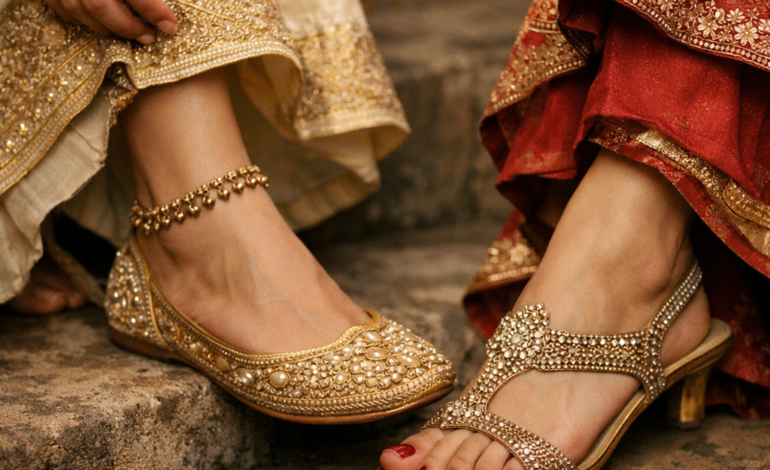

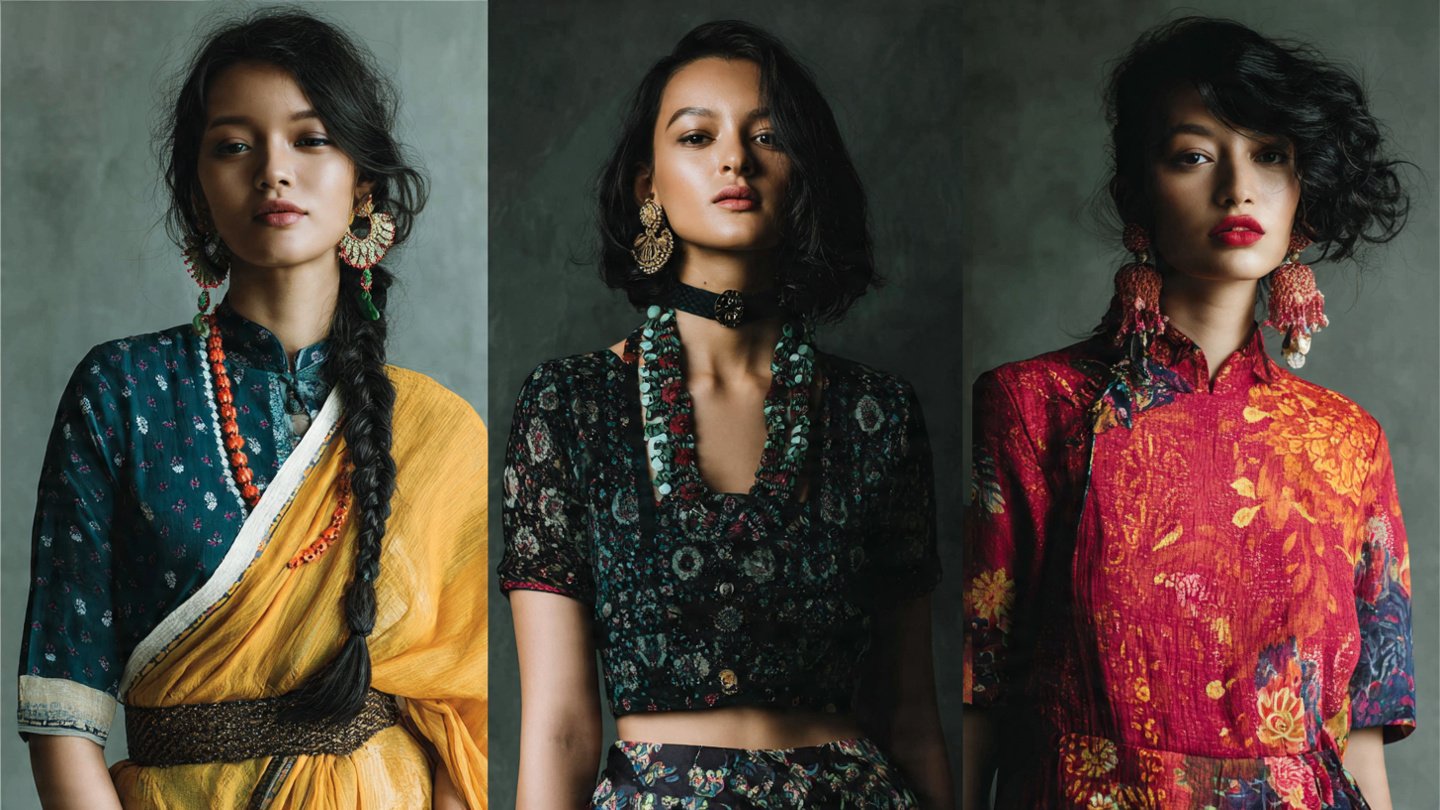
Ethnic wear has witnessed a remarkable transformation in recent years. What was once reserved strictly for festivals and weddings now seamlessly fits into everyday wardrobes, office wear, and casual outings. Modern Indian women are rediscovering traditional silhouettes through a contemporary lens, blending heritage with current trends.
Platforms like Myntra have played a pivotal role in this shift. With thousands of styles ranging from classic sarees to fusion kurta sets, the online retailer has become a go-to destination for anyone looking to explore ethnic fashion. The convenience of browsing diverse collections, reading reviews, and comparing prices makes it easier than ever to curate a wardrobe that honors tradition while embracing modern sensibilities.
This guide will walk you through the essential categories of women’s ethnic wear available on Myntra, help you understand the latest trends, and offer practical styling tips for every occasion. Whether you’re building your first ethnic wardrobe or looking to refresh your collection, you’ll find actionable insights to make confident fashion choices.
See also: Ultimate guide to women’s fashion on myntra
Latest Ethnic Wear Trends on Myntra
Ethnic fashion is no longer about heavy embellishments and ornate designs alone. The current wave favors subtlety, comfort, and versatility—qualities that resonate with the lifestyle of modern Indian women.
Minimal embroidery and pastel shades have taken center stage. Soft hues like blush pink, mint green, and powder blue offer an elegant alternative to vibrant traditional colors. These shades work beautifully for daytime events, office gatherings, and intimate celebrations. Paired with delicate thread work or minimal sequin detailing, they strike the perfect balance between understated and festive.
Fusion styling with western silhouettes continues to gain momentum. Think kurtas paired with palazzos or dhoti pants, saree gowns that eliminate the need for draping, and crop-top lehenga sets that feel youthful and contemporary. These hybrid styles allow for greater movement and comfort, making them ideal for long events or destination weddings.
Lightweight festive fabrics are also trending. Gone are the days when festive wear meant heavy silks and brocades that weighed you down. Today’s collections feature georgette, chiffon, and silk blends that offer the elegance of traditional fabrics without the bulk. This shift makes ethnic wear more accessible for younger audiences and those new to traditional fashion.
Modern lehenga styling trends are moving toward simplicity. Brides and wedding guests alike are opting for lehengas with clean lines, fewer layers, and innovative blouse designs. Off-shoulder blouses, cape-style dupattas, and asymmetrical hemlines are redefining what a lehenga can look like, making it easier to personalize your look.
Understanding Women’s Ethnic Wear Categories
Navigating the world of ethnic wear can feel overwhelming, especially with so many styles, fabrics, and occasions to consider. Breaking down the main categories helps you understand what works best for your needs.
Kurtis & Kurta Sets
Kurtis are the most versatile pieces in ethnic fashion. They can be dressed up or down depending on the occasion, making them a wardrobe staple for many women. Straight-cut kurtis work well for everyday wear, while anarkalis and A-line styles add drama for festive occasions.
Kurta sets—which typically include a kurta, bottom, and dupatta—offer a complete outfit solution. They’re perfect for those who want a coordinated look without the hassle of mixing and matching. Cotton kurta sets are ideal for summer, while silk or velvet options suit winter celebrations.
Styling kurtis is straightforward. Pair them with jeans for a casual outing, leggings for comfort, or palazzos for a more polished look. Accessories like statement earrings or a potli bag can elevate even the simplest kurti.
Sarees & Draping Styles
The saree remains an iconic symbol of Indian elegance. Its appeal lies in its adaptability—there are countless ways to drape a saree, each reflecting regional traditions and personal style.
For beginners, pre-stitched sarees or saree gowns offer the elegance of a saree without the complexity of draping. These are particularly popular for corporate events and formal gatherings. Traditional drapes like the Nivi style remain timeless, while contemporary drapes like the dhoti saree or pant-style saree bring a modern twist.
Fabric choice significantly impacts the saree’s overall look. Silk sarees exude grandeur and are perfect for weddings, while cotton and linen sarees suit daily wear and casual events. Georgette and chiffon sarees offer fluidity and are easier to manage, making them great for those new to wearing sarees.
Lehengas & Wedding Outfits
Lehengas are synonymous with celebration. Whether you’re the bride or a guest, a well-chosen lehenga can make you feel regal and confident. The key is understanding which style suits your body type and the event’s formality.
A-line lehengas flatter most body types and offer ease of movement. They’re a safe choice for wedding guests and bridesmaids. Flared lehengas create a dramatic silhouette, ideal for brides or those looking to make a statement. Crop-top lehengas bring a contemporary edge and work beautifully for sangeet ceremonies or cocktail events.
Pay attention to the blouse design, as it can transform the entire outfit. Experiment with off-shoulder styles, cold-shoulder cuts, or sheer sleeves to add a modern touch. The dupatta also plays a crucial role—drape it traditionally over one shoulder, style it as a cape, or skip it altogether for a minimalist look.
Indo-Western & Fusion Styles
Fusion wear bridges the gap between traditional and contemporary fashion. It’s perfect for those who appreciate ethnic aesthetics but prefer the comfort and ease of western silhouettes.
Popular fusion styles include dhoti pants paired with crop tops, saree jackets worn over gowns, and palazzo suits with long jackets. These outfits are ideal for cocktail parties, festive brunches, and modern wedding ceremonies.
Fusion wear allows for creative experimentation. Mix textures, play with layering, and don’t shy away from unconventional color combinations. The beauty of this category lies in its flexibility—there are no rigid rules, only endless possibilities.
How to Choose the Right Ethnic Wear on Myntra
Selecting the perfect ethnic outfit involves more than just liking how it looks on the model. Consider fabric, occasion, fit, and personal comfort to make a choice you won’t regret.
Fabric choices vary widely. Cotton is breathable and ideal for everyday wear, especially in warmer months. Silk blends offer a luxurious feel without being too heavy, making them suitable for evening events. Georgette and chiffon are lightweight and drape beautifully, perfect for sarees and anarkalis. For winter celebrations, velvet and brocade add warmth and richness.
Choosing colors based on occasions is equally important. Pastels and light shades work well for daytime events like mehendi ceremonies or brunch gatherings. Jewel tones like emerald, sapphire, and ruby are classic choices for evening weddings and formal functions. Metallics like gold and silver add a festive touch and photograph beautifully.
Understanding sizing and fit is crucial, especially when shopping online. Always refer to the size chart provided by the brand. Ethnic wear tends to have different sizing standards compared to western wear, so don’t assume your usual size will fit. Read customer reviews for insights on whether an outfit runs large, small, or true to size. Pay attention to measurements for bust, waist, and hips, and consider customization options if available.
Festive & Wedding Outfit Ideas
Festive seasons and weddings are prime opportunities to showcase ethnic fashion. Planning your outfits in advance ensures you look polished and feel comfortable throughout the celebrations.
Diwali and Navratri looks call for vibrant colors and traditional silhouettes. Opt for silk sarees in rich hues like maroon, royal blue, or deep green. If you prefer something lighter, a georgette anarkali with mirror work or gota patti embroidery captures the festive spirit beautifully. For Navratri, chaniya cholis in bright colors with flared skirts allow for easy movement during garba and dandiya.
Wedding guest styling requires striking a balance between elegance and appropriateness. Avoid wearing white or red, as these colors are often reserved for the bride. Instead, choose jewel tones or pastels depending on the time of day. A well-draped saree or a lehenga set are classic choices. If you prefer something less traditional, an Indo-western gown with ethnic embroidery offers a sophisticated alternative.
Engagement and celebration outfits can be more playful and experimental. Consider pastel lehengas with floral embroidery, sharara sets with cape dupattas, or fusion sarees with modern blouse designs. Accessorize thoughtfully with statement jewelry, but avoid overdoing it if your outfit already has heavy embellishments.
Seasonal Ethnic Styling Tips
Dressing appropriately for the season ensures you stay comfortable while looking your best.
Summer breathable ethnic outfits prioritize light fabrics and airy silhouettes. Cotton kurtis, linen sarees, and lightweight chanderi suits are excellent choices. Stick to lighter colors like white, beige, and pastels, which reflect heat and keep you cool. Avoid heavy embroidery or layered outfits that trap heat.
Winter layering with jackets and shawls adds warmth without compromising style. Pair your kurta set with a long jacket or shrug in velvet or wool. Shawls and stoles in rich fabrics like pashmina or silk elevate even the simplest outfit. Don’t hesitate to experiment with layering—a well-chosen jacket can transform a basic saree into a chic ensemble.
Monsoon-friendly fabrics should be quick-drying and easy to maintain. Synthetic blends like polyester and georgette work better than pure cotton, which takes longer to dry. Opt for knee-length or ankle-length outfits to avoid dragging hems through puddles. Avoid delicate fabrics like silk and brocade during the rainy season to prevent water stains and damage.
Fabric & Comfort Guide
Understanding fabrics helps you make informed decisions about comfort, maintenance, and longevity.
Silk vs chiffon vs cotton each serve different purposes. Silk is luxurious and elegant, perfect for weddings and formal events. However, it’s heavier and can feel warm in hot weather. Chiffon is lightweight and drapes beautifully, making it ideal for sarees and dupattas. Cotton is the most breathable and comfortable for daily wear, though it lacks the sheen and formality of silk or chiffon.
Embroidery details and maintenance require special attention. Hand-embroidered outfits are delicate and often need dry cleaning. Machine-embroidered pieces are more durable but still benefit from gentle washing. Always check care labels and store embroidered outfits in cotton covers to prevent damage from moisture and insects.
Choosing lightweight festive wear is essential for comfort during long events. Look for fabrics like georgette, crepe, and silk blends that offer elegance without the weight. Avoid heavily embellished outfits with dense zari or stone work if you’ll be wearing the outfit for several hours.
Common Ethnic Styling Mistakes to Avoid
Even the most beautiful outfit can fall flat if styled incorrectly. Avoid these common pitfalls to ensure you always look put-together.
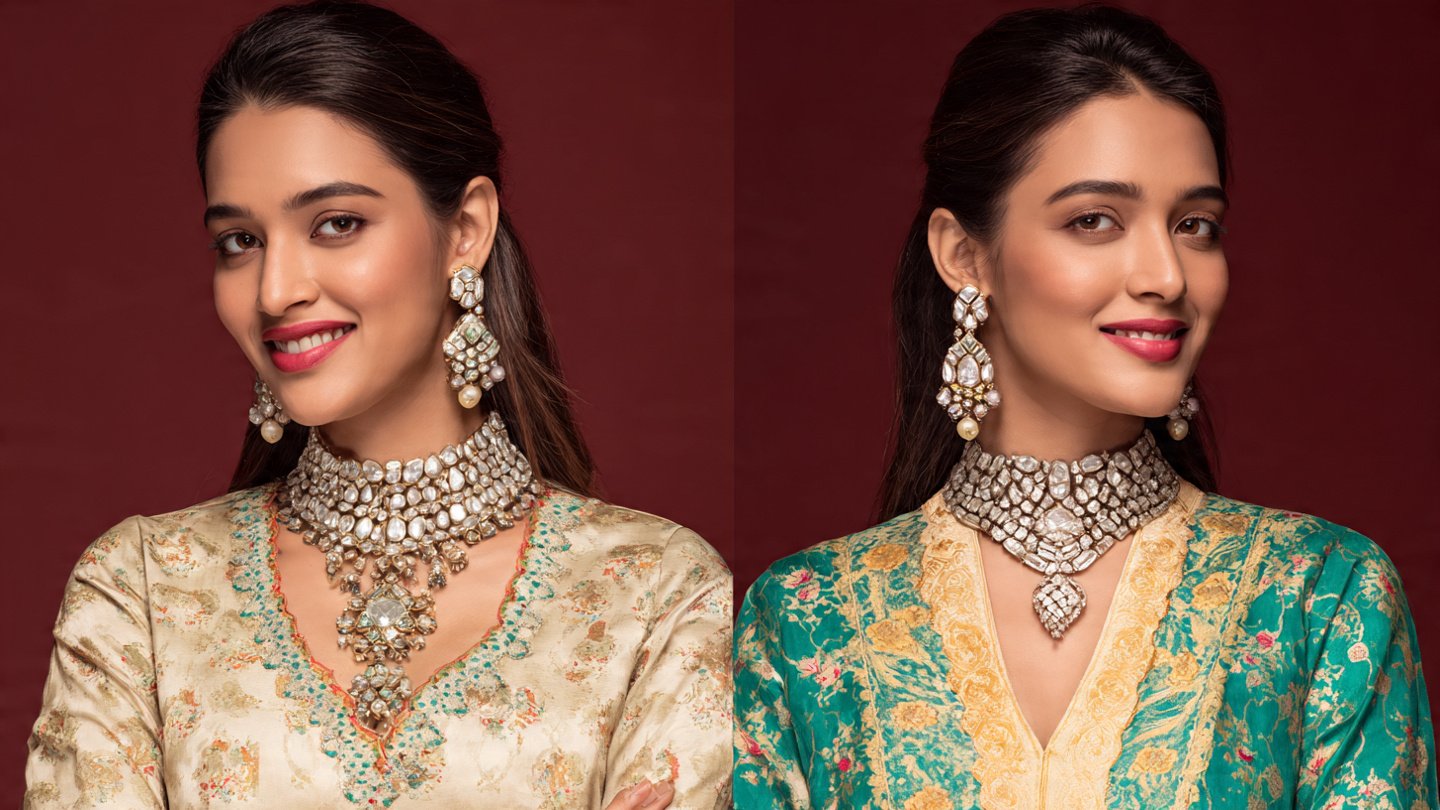
Over-accessorizing heavy outfits is a frequent mistake. If your saree or lehenga already has intricate embroidery or embellishments, keep jewelry minimal. A statement necklace or bold earrings are enough—wearing both can look cluttered. Let your outfit be the star.
Ignoring comfort during long events leads to unnecessary discomfort. Choose outfits that allow for movement, especially if you’ll be sitting, dancing, or standing for extended periods. Test your outfit at home before the event to ensure it fits well and doesn’t restrict your movements.
Choosing unsuitable fabrics for weather is another common error. Wearing heavy silk in summer or lightweight chiffon in winter makes for an unpleasant experience. Always consider the season and venue when selecting your outfit.
Expert Styling Tips Inspired by Myntra Trends
Drawing inspiration from current trends helps you stay fashionable while honoring tradition.
Mixing ethnic and western elements is an art worth mastering. Pair a traditional kurta with boyfriend jeans, or wear a saree blouse with a skirt. These combinations create fresh looks that feel modern yet rooted in tradition. Experiment with layering—add a denim jacket over a kurta or style a belt over a saree for an unexpected twist.
Building a versatile festive wardrobe means investing in pieces that can be styled in multiple ways. A simple silk saree can be dressed up with statement jewelry or kept minimal for a more understated look. A well-fitted kurta set works for both casual outings and festive gatherings with the right accessories.
Creating modern yet traditional looks requires balancing both elements thoughtfully. Choose traditional silhouettes in contemporary colors, or opt for modern cuts in classic fabrics. The goal is to create outfits that feel authentic to you while respecting cultural aesthetics.
Frequently Asked Questions
Which ethnic wear styles are trending on Myntra?
Minimal embroidery, pastel shades, fusion silhouettes, and lightweight fabrics are currently trending. Modern lehenga styles with innovative blouse designs and pre-draped sarees are also popular.
How do I style kurtis for modern looks?
Pair kurtis with jeans or palazzos for a contemporary vibe. Add a belt to define your waist, layer with a jacket, or accessorize with statement jewelry. Experimenting with footwear—like sneakers or ankle boots—can also modernize a traditional kurti.
What should I wear to weddings as a guest?
Opt for jewel-toned sarees, lehenga sets, or Indo-western gowns. Avoid white and red, and choose fabrics like silk blends or georgette for elegance and comfort. Accessorize thoughtfully and ensure your outfit suits the event’s formality.
Are lightweight lehengas comfortable for events?
Yes, lightweight lehengas made from georgette, chiffon, or silk blends offer both elegance and comfort. They allow for easier movement and are less restrictive during long celebrations.
How to choose the right saree fabric?
Consider the occasion and season. Silk suits formal events and weddings, while cotton works for casual wear. Georgette and chiffon are great for beginners as they drape easily and are comfortable to wear.
Build Your Ethnic Wardrobe with Confidence
Ethnic wear offers endless opportunities for self-expression. Whether you’re drawn to the timeless elegance of sarees, the versatility of kurtis, or the grandeur of lehengas, there’s a style that resonates with you.
Start by understanding your personal style and the occasions you’ll be dressing for. Invest in versatile pieces that can be styled in multiple ways, and don’t be afraid to experiment with fusion wear. Pay attention to fabric, fit, and comfort—these elements make the difference between an outfit you wear once and one you reach for repeatedly.
Myntra’s extensive collection makes it easy to explore different styles, compare options, and find pieces that align with your taste and budget. Use the filters effectively, read reviews, and take advantage of size guides to make informed decisions.
Most importantly, wear your ethnic outfits with confidence. Fashion is as much about how you feel as how you look. When you’re comfortable and confident, that energy translates into undeniable style.