Men’s Ethnic Wear Guide on Myntra: Kurta, Sherwani & Festive Style
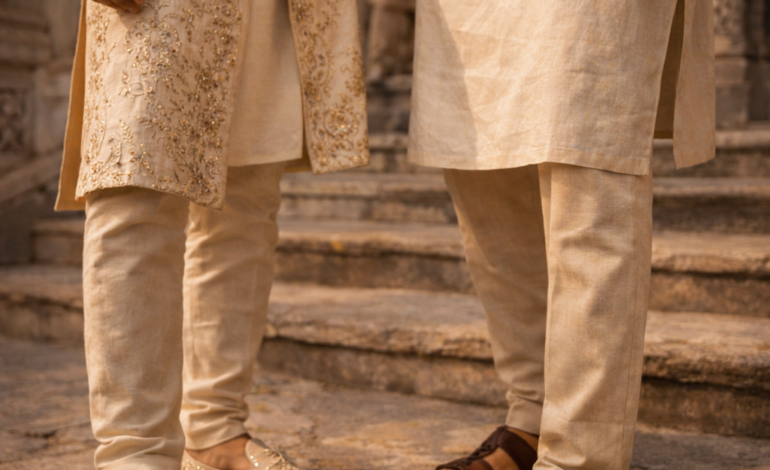

Ethnic wear for men has evolved far beyond the occasional festive purchase. From sleek kurta sets worn to office functions to intricately embroidered sherwanis reserved for weddings, ethnic fashion now occupies a prominent place in modern Indian menswear. The shift reflects a broader cultural movement—one that celebrates tradition while embracing contemporary design sensibilities.
Festivals like Diwali, Eid, and Navratri, along with the ever-present wedding season, drive much of this demand. But it’s not just about showing up in something traditional. Men are increasingly conscious of fit, fabric, color coordination, and personal style. They want outfits that feel authentic yet fresh, comfortable yet polished.
Myntra has become a go-to platform for men navigating this space. With hundreds of brands, curated collections, and trend-driven recommendations, it simplifies the process of finding ethnic wear that suits different occasions, body types, and budgets. Whether you’re searching for a minimalist kurta for a family gathering or a statement sherwani for your best friend’s wedding, Myntra’s catalog offers a wide spectrum of choices.
This guide walks you through the latest trends, essential categories, styling strategies, and common pitfalls to avoid. By the end, you’ll have a clearer understanding of how to build a versatile ethnic wardrobe that works for every occasion.
See also: Ultimate guide to men’s fashion on myntra
Latest Men’s Ethnic Wear Trends on Myntra
Ethnic fashion for men is constantly evolving, influenced by runway trends, celebrity styling, and regional aesthetics. Here are some of the key trends currently shaping the landscape on Myntra.
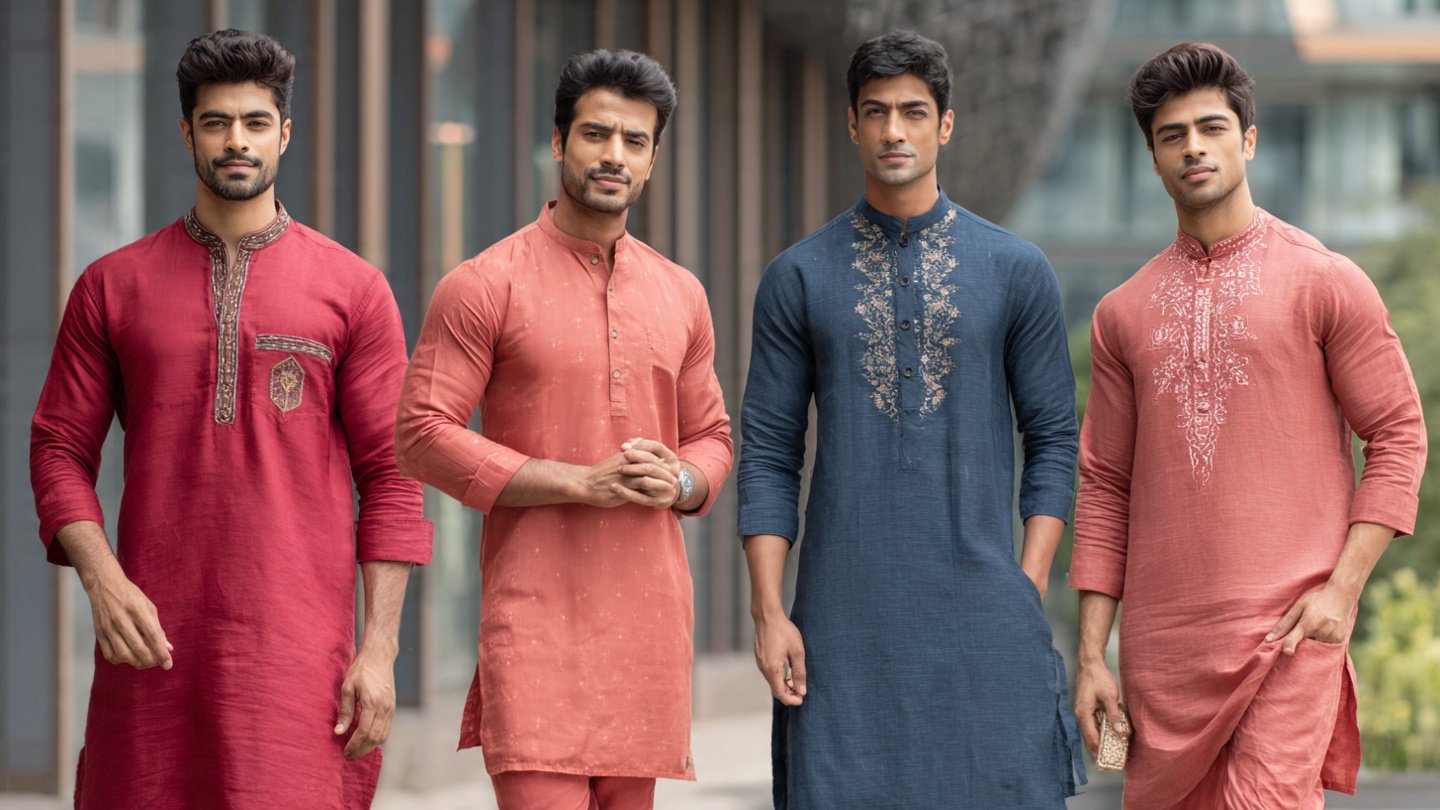
Minimalist kurta styles have gained significant traction. Clean lines, neutral tones, and understated embroidery define this trend. These kurtas pair well with both traditional bottoms and modern chinos, making them ideal for casual festive gatherings or even semi-formal events.
Indo-western fusion outfits continue to dominate. Think Nehru jackets layered over shirts, asymmetrical kurtas paired with trousers, or waistcoats styled with dhotis. This trend appeals to men who want to honor tradition while projecting a contemporary image.
Pastel festive palettes are replacing the once-ubiquitous reds and golds. Soft pinks, mint greens, powder blues, and lilacs are now popular choices, especially for daytime events. These colors photograph beautifully and offer a refreshing alternative to heavier, darker tones.
Layered ethnic looks are also on the rise. Men are experimenting with stoles, dupattas, and shawls to add dimension to their outfits. Layering not only elevates the overall aesthetic but also provides practical warmth during cooler months.
Understanding Men’s Ethnic Wear Categories
Navigating the world of men’s ethnic wear becomes easier when you understand the core categories. Each serves a specific purpose and offers unique styling opportunities.
Kurta & Kurta Sets
Kurtas are the foundation of men’s ethnic wardrobe. They come in various lengths, cuts, and fabrics, making them suitable for everything from casual family dinners to elaborate celebrations.
Everyday festive styling with kurtas involves choosing breathable fabrics like cotton or linen and pairing them with churidars or slim-fit trousers. Opt for simple embroidery or printed designs for a relaxed yet refined look. Kurta sets—which include matching bottoms—take the guesswork out of coordination and are perfect for men who prefer ready-to-wear solutions.
Sherwanis & Wedding Outfits
Sherwanis are reserved for grand occasions. These long, coat-like garments are often heavily embellished and paired with churidars or dhoti pants. Fabrics range from silk and brocade to velvet, depending on the season and formality of the event.
Grand occasion styling with sherwanis requires attention to detail. Consider the event’s color theme, time of day, and venue. For evening weddings, rich jewel tones work well. For daytime ceremonies, lighter shades like ivory or champagne are more appropriate. Accessories like brooches, pocket squares, and embroidered mojaris complete the ensemble.
Nehru Jackets & Indo-Western Styles
Nehru jackets offer incredible versatility. They can be worn over kurtas, paired with western shirts and trousers, or even styled with jeans for a fusion look.
Fusion outfit ideas often involve combining a solid Nehru jacket with a contrasting kurta or shirt. Experiment with textures—pair a silk jacket with a cotton kurta or a velvet jacket with a linen shirt. This category is ideal for men who want to make a style statement without committing to full traditional attire.
Ethnic Bottomwear & Accessories
Bottoms and accessories are often overlooked but play a crucial role in completing ethnic outfits. Churidars, pyjamas, dhotis, and salwars each offer different silhouettes and comfort levels.
Mojaris (traditional embroidered shoes) are a staple for ethnic occasions. They come in various designs, from heavily embellished versions for weddings to simpler styles for everyday festive wear. Other accessories like stoles, dupattas, brooches, and turbans add personality and cultural depth to your look.
How to Choose the Right Ethnic Wear on Myntra
Selecting the right ethnic outfit involves more than just picking something that looks good online. Here’s how to make informed choices.
Fabric choices significantly impact comfort and appearance. Cotton and linen are excellent for daytime events and warmer climates. Silk blends offer a luxurious feel and are ideal for evening functions. Velvet and brocade work best in cooler months and for highly formal occasions. Always check the fabric composition before purchasing, especially if you’re shopping online.
Fit and silhouette tips are essential. Ethnic wear should be comfortable without looking oversized. Pay attention to shoulder width, sleeve length, and overall garment length. Slim-fit kurtas work well for lean body types, while regular or relaxed fits suit broader frames. When buying sherwanis, ensure they fall just below the knee for a classic silhouette.
Color selection based on occasion is another critical factor. Darker shades like maroon, navy, and forest green are safe choices for evening weddings. Pastels and lighter tones suit daytime events and summer festivals. If you’re attending a themed celebration, coordinate with the suggested color palette to maintain visual harmony.
Festive & Wedding Styling Ideas
Different occasions call for different styling approaches. Here’s how to dress for some of the most common festive and wedding scenarios.
Diwali outfit inspiration often leans toward rich colors and subtle embellishments. A maroon or gold kurta paired with off-white churidars creates a festive yet understated look. Add a silk stole and mojaris to complete the ensemble. If you prefer fusion, layer a Nehru jacket over a kurta for added sophistication.
Wedding guest looks require more thought. For traditional ceremonies, opt for a sherwani or an embroidered kurta set. Choose fabrics like silk or brocade and colors that complement the wedding theme. Avoid wearing white or overly bright shades that might overshadow the groom. Accessories should be minimal but refined—think pocket squares, brooches, or embroidered mojaris.
Engagement and sangeet styling allows for more experimentation. These events are less formal than weddings, giving you room to play with colors and silhouettes. Consider pastel kurtas, Indo-western outfits, or even printed sherwanis. Pair them with contrasting bottoms and statement accessories like embroidered belts or layered stoles.
Seasonal Ethnic Fashion Tips
Ethnic wear doesn’t have to be uncomfortable, even when the weather isn’t ideal. Here’s how to adapt your choices to different seasons.
Summer breathable kurtas should be made from lightweight fabrics like cotton, linen, or cotton-silk blends. Stick to lighter colors that reflect sunlight rather than absorb it. Short kurtas paired with chinos or trousers offer a modern, breathable alternative to traditional long kurtas.
Winter layering with jackets transforms your ethnic wardrobe. Pair kurtas with quilted Nehru jackets, velvet waistcoats, or woolen shawls. Layering not only keeps you warm but also adds visual interest. Opt for darker, richer tones that suit the season’s aesthetic.
Monsoon-friendly fabrics should dry quickly and resist moisture. Cotton and synthetic blends work better than silk or velvet during the rainy season. Avoid heavily embroidered outfits that might get damaged in wet conditions. Stick to simpler designs that are easier to maintain.
Fabric & Comfort Guide
Understanding fabrics helps you make smarter purchasing decisions and ensures long-term satisfaction with your wardrobe.
Traditional vs modern fabrics offer different benefits. Traditional fabrics like pure silk, khadi, and handloom cotton carry cultural significance and artisanal craftsmanship. Modern fabrics like polyester blends, cotton-silk, and synthetic velvet offer easier maintenance and affordability. Both have their place in a well-rounded ethnic wardrobe.
Embroidery details and durability vary widely. Hand embroidery tends to be more delicate and expensive, while machine embroidery offers durability at a lower cost. Check the quality of stitching, especially around seams and embellishments, to ensure the garment lasts through multiple wears and washes.
Choosing lightweight festive outfits is particularly important if you’ll be wearing the outfit for extended periods. Lightweight fabrics reduce fatigue and allow better movement, which is especially useful during long wedding ceremonies or multi-day festivals.
Common Ethnic Styling Mistakes to Avoid
Even well-intentioned styling choices can fall flat if you’re not careful. Here are some common mistakes to watch out for.
Over-accessorizing is a frequent pitfall. While accessories enhance an outfit, too many can create visual clutter. Stick to one or two statement pieces—such as a brooch and mojaris or a stole and watch—and keep everything else minimal.
Choosing overly heavy fabrics for daytime or outdoor events leads to discomfort. Heavy brocades and velvets are best reserved for evening functions in air-conditioned venues. For daytime celebrations, opt for lighter, breathable alternatives.
Ignoring color harmony can throw off your entire look. Ensure that your kurta, bottoms, and accessories complement each other. If you’re unsure, stick to classic combinations like navy and gold, maroon and cream, or black and silver.
Expert Styling Tips Inspired by Myntra Trends
Elevate your ethnic wardrobe with these expert-approved tips drawn from current trends on Myntra.
Mixing western and ethnic elements creates a modern, personalized style. Pair a traditional kurta with denim jeans or wear a Nehru jacket over a crisp white shirt and chinos. This approach works particularly well for semi-formal events where full traditional attire might feel excessive.
Creating versatile festive wardrobes involves investing in pieces that can be styled multiple ways. A well-fitted kurta in a neutral shade can be dressed up with an embroidered jacket or dressed down with simple churidars. Similarly, a classic Nehru jacket pairs with both ethnic and western bottoms.
Styling minimal yet elegant outfits requires a focus on fit, fabric quality, and subtle detailing. Choose garments with clean lines, high-quality fabrics, and understated embellishments. Let the craftsmanship speak for itself rather than relying on loud colors or excessive embroidery.
Frequently Asked Questions (FAQ)
Which ethnic wear styles are trending on Myntra?
Minimalist kurtas, Indo-western fusion outfits, pastel festive palettes, and layered ethnic looks are currently trending on Myntra. These styles reflect a shift toward contemporary aesthetics while honoring traditional roots.
How do I style a kurta for modern looks?
Pair your kurta with slim-fit trousers or chinos instead of traditional churidars. Layer with a Nehru jacket or waistcoat, and complete the look with loafers or minimal mojaris. Stick to neutral or pastel tones for a fresh, modern vibe.
What should men wear for weddings?
For traditional weddings, opt for a sherwani or heavily embroidered kurta set in rich fabrics like silk or brocade. Choose colors that align with the wedding theme, and accessorize with mojaris, a brooch, or a pocket square.
Are Nehru jackets still in trend?
Yes, Nehru jackets remain popular, especially in fusion styling. They offer versatility and can be paired with both ethnic and western outfits, making them a valuable addition to any wardrobe.
How to choose the right fabric for festive outfits?
Consider the season and occasion. Cotton and linen work well for daytime and summer events. Silk blends and brocade are ideal for evening functions. Velvet suits cooler months and highly formal occasions.
Building a Wardrobe That Works for You
Ethnic wear is no longer confined to a narrow set of occasions or rigid styling rules. It’s become a dynamic, expressive category that allows men to honor tradition while showcasing personal style. With platforms like Myntra offering a vast array of options, building a versatile and stylish ethnic wardrobe is more accessible than ever.
Start with the basics—a few well-fitted kurtas, a classic sherwani, and a versatile Nehru jacket. From there, experiment with colors, fabrics, and accessories to create looks that feel authentic to you. Pay attention to fit, fabric quality, and occasion-appropriate styling to ensure every outfit makes the right impression.
Whether you’re dressing for a festive celebration, a wedding, or a simple family gathering, the right ethnic outfit can elevate your presence and confidence. Take the time to explore, experiment, and enjoy the process of discovering what works best for you.