


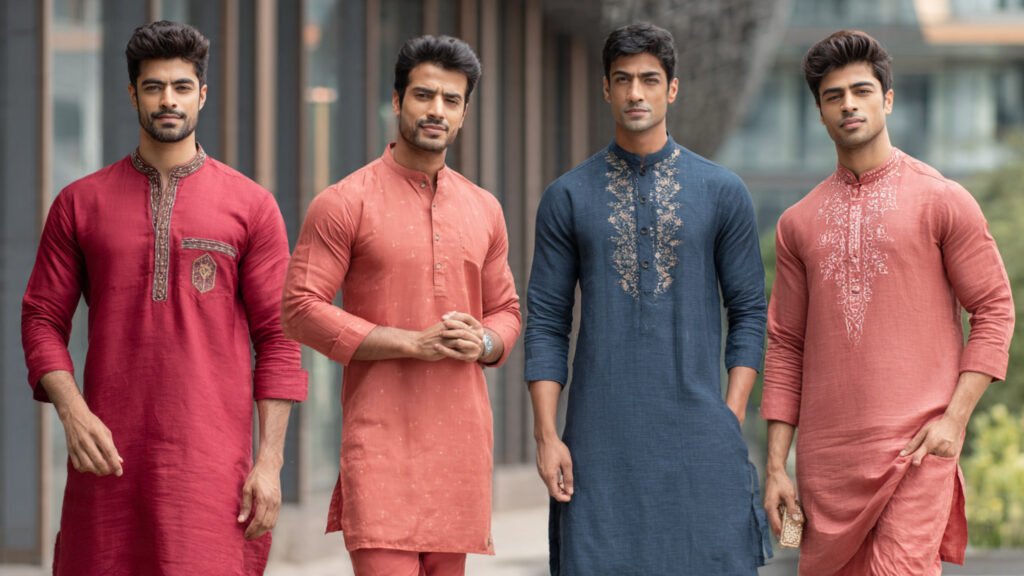
Finding the perfect kurta doesn’t have to be complicated. Whether you’re preparing for Diwali festivities, attending a wedding, or simply want to add versatile ethnic wear to your wardrobe, Myntra offers an impressive collection that caters to every style and budget.
Kurtas have evolved beyond traditional boundaries. They’re no longer reserved solely for religious ceremonies or family gatherings. Modern designs blend traditional craftsmanship with contemporary cuts, making them suitable for everything from casual brunches to formal celebrations.
This guide walks you through the best kurta options available on Myntra, helping you understand different styles, fabrics, and how to choose pieces that complement your personal aesthetic. We’ll explore various types, provide styling tips for different occasions, and answer common questions about kurta shopping.
Why Kurtas Are a Must-Have in Every Man’s Wardrobe
Festive essential
Festivals bring families together, and kurtas remain the go-to choice for celebrations across India. From Diwali and Holi to Eid and Navratri, kurtas offer the perfect balance between comfort and elegance. They allow you to honor tradition while expressing your personal style through colors, patterns, and accessories. Check out our best festive wear on Myntra for more inspiration.
Wedding staple
Wedding season transforms kurtas into statement pieces. Whether you’re the groom, a groomsman, or a guest, a well-chosen kurta ensures you look polished without overshadowing the main event. The versatility of kurtas makes them ideal for multiple wedding functions—from the mehendi to the reception.
Indo-western versatility
Kurtas seamlessly bridge the gap between traditional and modern fashion. Pair them with jeans for a casual look, or dress them up with churidars for formal events. This adaptability makes kurtas valuable additions to any wardrobe, offering countless styling possibilities. Explore our complete men’s fashion guide to discover more ways to integrate ethnic wear into your everyday style.
Types of Kurtas Available on Myntra
Cotton Kurtas
Cotton kurtas dominate the summer wardrobe for good reason. They’re breathable, easy to maintain, and comfortable even during the hottest months. Myntra stocks cotton kurtas in various weaves—from lightweight chambray to textured khadi.
These kurtas work beautifully for daytime events, casual gatherings, and religious ceremonies. They absorb moisture well, making them practical choices for outdoor celebrations. Popular brands like Fabindia, Manyavar, and Sojanya offer excellent cotton options in both solid colors and subtle prints.
Cotton kurtas typically range from ₹499 to ₹2,499, depending on the brand and design complexity. They’re machine washable and hold up well with regular use, making them cost-effective investments.
Silk & Festive Kurtas
Silk kurtas elevate any festive ensemble. Their natural sheen and luxurious drape make them perfect for evening celebrations and formal occasions. Myntra features various silk types, including raw silk, dupion silk, and silk blends that offer similar aesthetics at more accessible price points.
These kurtas often feature intricate embroidery, zari work, or sequin embellishments. Brands like Manyavar, Kisah, and Vastramay specialize in festive silk kurtas that make strong style statements.
Expect to invest between ₹1,999 and ₹8,999 for quality silk kurtas. While they require more careful maintenance—typically dry cleaning—their durability and timeless appeal justify the investment.
Printed & Designer Kurtas
Printed kurtas add personality to your ethnic wardrobe. From traditional block prints and bandhani patterns to contemporary geometric designs, these pieces let you experiment with visual interest without overwhelming embellishments.
Designer kurtas push creative boundaries further. They might incorporate asymmetrical hemlines, mandarin collars, or unique button placements. Brands like Anouk, See Designs, and Ketch experiment with unconventional color combinations and pattern mixing.
These kurtas shine during festive gatherings where you want to stand out. They pair well with solid-colored bottoms that let the print take center stage.
Pathani Style Kurtas
Pathani kurtas feature distinctive characteristics—a straight cut, side slits, and often a loop-button closure. Originally from the Pashtun regions, these kurtas have become mainstream fashion staples across India.
They offer a more structured silhouette compared to regular kurtas. The clean lines create a sharp, masculine appearance that works particularly well for evening events. Pathani kurtas look excellent when paired with matching salwar or churidar.
Popular in neutral tones like beige, cream, and olive green, Pathani kurtas from brands like John Players and Hangup range from ₹799 to ₹3,499.
Short Kurtas
Short kurtas, also called kurta shirts, typically fall above the knee. They’ve gained popularity among younger demographics who appreciate their modern, relaxed aesthetic. These pieces blur the line between traditional and casual wear.
Short kurtas work wonderfully with jeans, chinos, or even shorts for summer festivals. They’re less formal than their longer counterparts, making them suitable for college events, casual parties, or day-to-day wear.
Brands like Roadster, HERE&NOW, and Locomotive offer trendy short kurtas with contemporary prints and slim fits, usually priced between ₹599 and ₹1,999.
How to Choose the Right Kurta
Fabric considerations
Fabric choice dramatically impacts comfort and appearance. Cotton remains the most versatile option—breathable, easy to care for, and appropriate for most occasions. For festive events, silk or silk blends add elegance and richness.
Linen kurtas offer excellent breathability for summer but wrinkle easily. Linen-cotton blends provide a middle ground. Rayon and viscose blends drape beautifully and often cost less than pure silk while delivering similar visual appeal. Our fabric guide for Indian weather provides detailed insights into choosing materials suited to different climates.
Fit & length
Proper fit transforms a kurta from average to exceptional. Regular fit kurtas offer comfort and work well for most body types. Slim fit options create a more tailored appearance, ideal for formal occasions. Loose or relaxed fits prioritize comfort and suit casual settings.
Length matters too. Standard kurtas fall between mid-thigh and knee. Shorter lengths work for casual wear, while longer kurtas suit formal events and religious ceremonies. Consider your height when choosing length—taller men can carry longer kurtas better, while shorter lengths often flatter shorter builds.
Occasion-based selection
Match your kurta to the event. Weddings call for richer fabrics like silk with embellishments. Festive gatherings allow more flexibility—printed cotton or silk blends work beautifully. For casual outings, cotton or linen kurtas in relaxed fits feel appropriate.
Consider the time of day too. Lighter colors and fabrics suit daytime events, while deeper hues and richer materials feel right for evening celebrations.
Color choices for festivals
Festival colors carry cultural significance and influence mood. Diwali traditionally embraces rich jewel tones—deep reds, royal blues, emerald greens, and gold. These colors symbolize prosperity and joy.
Holi celebrations welcome bright, cheerful colors that can withstand color play—whites, pastels, and light yellows are popular choices. Eid often sees men wearing whites, creams, and soft pastels that reflect purity and peace.
Navratri’s nine nights each have associated colors. Check the color calendar if you’re participating in specific regional celebrations. Generally, reds, yellows, greens, and blues dominate Navratri wardrobes.
Styling Kurtas for Different Occasions
Festive Look
Create standout festive looks by pairing silk or embellished kurtas with matching churidars or slim-fit pajamas. Layer a contrasting Nehru jacket or embroidered shawl for added dimension. Juttis or mojaris complete the traditional aesthetic.
Accessorize thoughtfully. A classic watch, subtle rings, or a simple chain adds polish without competing with the kurta’s design. If your kurta features heavy embroidery, keep accessories minimal. Explore our best Diwali outfits on Myntra for complete festival styling inspiration.
Wedding Guest Look
Weddings allow for more experimental styling. Choose silk or designer kurtas with unique details—embroidered collars, contrasting borders, or interesting sleeve designs. Pair with well-fitted churidars in complementary colors rather than perfect matches.
Add a coordinating dupatta draped over one shoulder for traditional ceremonies. Statement juttis with embroidery or embellishments tie the look together. Consider a pocket square if wearing a Nehru jacket. Browse our best wedding season fashion on Myntra for additional ideas.
Indo-Western Styling
Indo-western fusion opens creative possibilities. Pair cotton or short kurtas with well-fitted jeans—dark washes look more polished. Add white sneakers or loafers for a contemporary edge.
Layer a denim or leather jacket over your kurta for cooler evenings. This combination works particularly well with plain or minimally printed kurtas. Accessories like aviator sunglasses or canvas sneakers complete the modern aesthetic. Check out our best indo-western outfits on Myntra for more fusion inspiration.
Festival Color Guide
Understanding which colors resonate with different festivals helps you build a versatile ethnic wardrobe:
Diwali: Rich reds, golds, royal blues, deep purples, and emerald greens create the festive opulence associated with the Festival of Lights.
Holi: Whites and light pastels serve as perfect canvases for color play. Many choose kurtas they don’t mind getting permanently colored.
Eid: Whites, creams, soft pastels, and elegant grays reflect the festival’s spiritual significance and celebratory nature.
Navratri: Each day has a specific color—from vibrant yellows and electric blues to elegant whites and deep maroons. Plan your wardrobe according to the regional color schedule.
Raksha Bandhan: Soft pastels, yellows, oranges, and light blues capture the warmth of sibling bonds.
Investing in kurtas across this color spectrum ensures you’re prepared for any celebration throughout the year.
Kurta vs Kurta Set – What’s Better?
Individual kurtas offer flexibility. You can mix and match with different bottoms, creating multiple looks from fewer pieces. This approach suits men who prefer variety and already own complementary pajamas or churidars.
Kurta sets provide convenience. The coordinated top and bottom eliminate styling guesswork. They’re ideal for formal occasions where matched ensembles look more polished. Sets also ensure color consistency, which can be challenging when buying pieces separately.
Budget considerations matter too. Sets sometimes offer better value than purchasing pieces individually, though this varies by brand and sale periods.
For building a versatile wardrobe, start with sets for formal occasions and individual kurtas for casual wear. This combination provides both convenience and flexibility.
Budget vs Premium Kurtas on Myntra
Budget-friendly options (₹499-₹1,499)
Myntra’s affordable range doesn’t sacrifice style. Brands like Sojanya, Vastramay, and HERE&NOW offer well-constructed kurtas in cotton and cotton blends. These pieces work perfectly for regular festivities, casual gatherings, and building your ethnic wardrobe foundation.
Expect simpler designs—solid colors, basic prints, and minimal embellishments. However, quality at this price point has improved significantly, with many budget kurtas offering decent stitching and fabric that withstand regular wear.
Mid-range selections (₹1,500-₹3,999)
This segment balances quality and affordability. Brands like Manyavar’s entry lines, Kisah, and John Players provide better fabrics, more intricate designs, and improved tailoring. You’ll find silk blends, detailed prints, and moderate embellishments.
Mid-range kurtas suit most occasions, from weddings to festivals. The improved construction means these pieces last longer with proper care, making them worthwhile investments.
Premium choices (₹4,000+)
Premium kurtas deliver exceptional fabrics, impeccable tailoring, and unique designs. High-end Manyavar collections, designer labels, and luxury silk kurtas fall into this category.
These pieces feature hand embroidery, fine silk, and attention to detail that sets them apart. They’re investment pieces meant for significant occasions—weddings, milestone celebrations, and important ceremonies.
The choice between budget and premium depends on usage frequency and personal priorities. A balanced wardrobe might include premium pieces for special occasions supplemented by budget-friendly options for regular festivities.
Styling Combinations That Work
Classic pairing: Beige kurta + white churidar + brown juttis creates a timeless look suitable for most traditional occasions.
Modern fusion: Navy short kurta + black jeans + white sneakers delivers contemporary style perfect for casual gatherings.
Festive statement: Burgundy silk kurta + gold churidar + matching dupatta + embroidered mojaris commands attention at celebrations.
Summer comfort: Light blue cotton kurta + white pajama + brown sandals keeps you cool during daytime events.
Wedding elegance: Ivory embroidered kurta + cream churidar + gold Nehru jacket + traditional juttis creates sophisticated wedding guest attire.
Experiment with these combinations as starting points, then adjust based on your personal style preferences and the specific occasion.
FAQs
Which fabric is best for summer festivals?
Cotton remains the top choice for summer festivals. It’s breathable, absorbs moisture, and keeps you comfortable even during outdoor celebrations. Linen and linen-cotton blends also work well, though they wrinkle more easily. For evening summer events where you want a dressier appearance, consider lightweight cotton-silk blends that offer elegance without excessive heat retention.
Are silk kurtas comfortable?
Pure silk kurtas feel luxurious but can be warm, making them better suited for air-conditioned venues or evening events in cooler months. Silk blends offer a practical alternative—they maintain silk’s elegant appearance while improving breathability. Modern silk processing techniques have also created lighter silk fabrics that work reasonably well in moderate temperatures. For maximum comfort, reserve pure silk for special occasions and opt for blended fabrics for longer wear durations.
Can kurtas be styled casually?
Absolutely. Cotton kurtas pair beautifully with jeans for relaxed outings. Short kurtas work particularly well for casual styling—wear them with chinos or even shorts during summer. Choose kurtas in solid colors or minimal prints for more versatile casual wear. Footwear makes a significant difference too—swap traditional juttis for loafers, sneakers, or casual sandals to immediately make the look feel less formal.
Your Perfect Kurta Awaits on Myntra
Building an ethnic wardrobe requires thoughtful selection rather than random purchases. Start by identifying your most common occasions—festivals, weddings, or casual gatherings—then invest in kurtas that serve those needs.
Myntra’s extensive collection ensures you’ll find pieces matching your style preferences and budget constraints. Mix budget-friendly everyday kurtas with premium pieces for special occasions. Experiment with different fabrics, cuts, and styling approaches to discover what makes you feel confident and comfortable.
Remember that the best kurta isn’t necessarily the most expensive or elaborate. It’s the one that fits well, suits the occasion, and makes you feel authentically yourself. Use this guide as your starting point, then let your personal style guide your final choices.


